

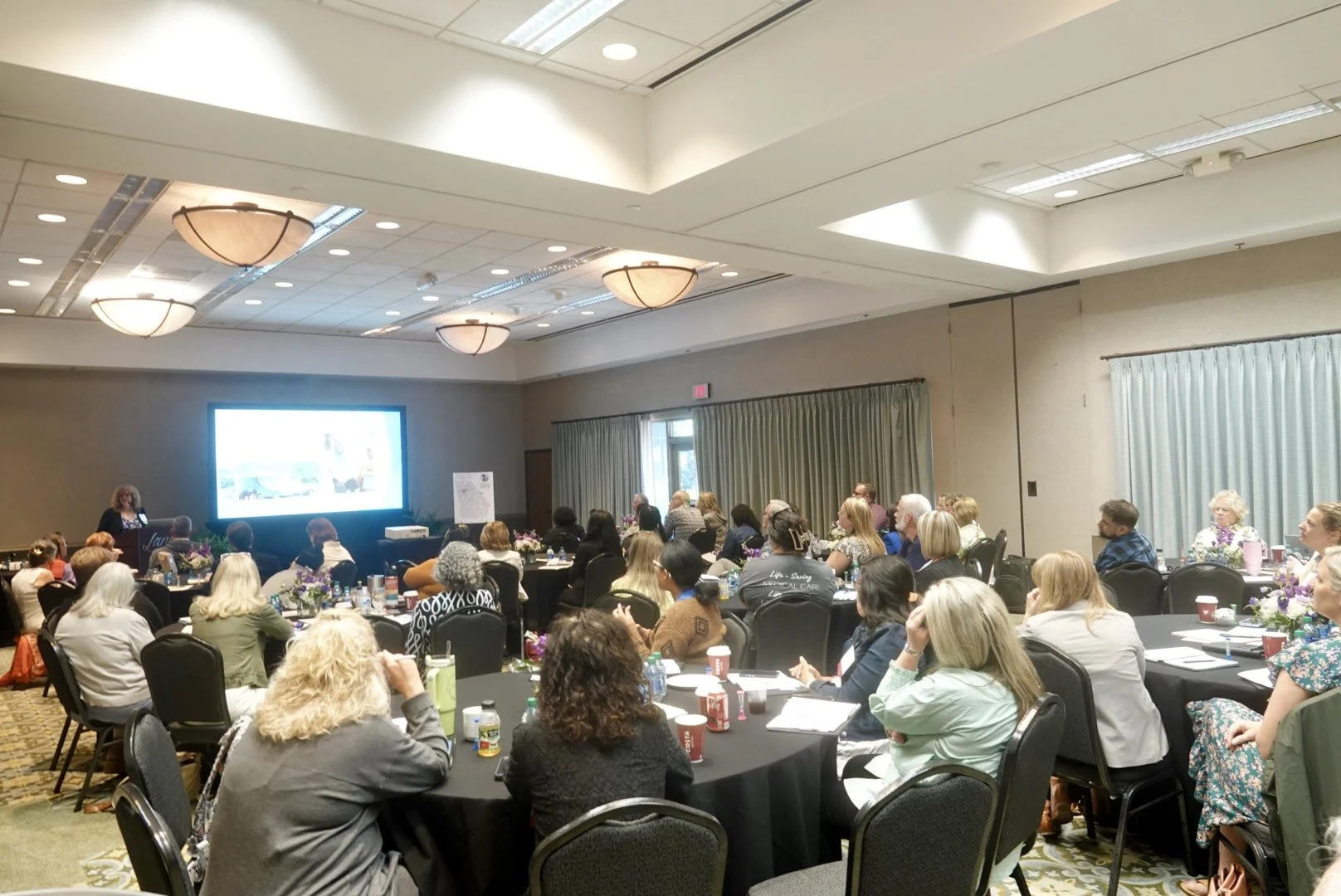
GCCN’s 21st Annual Conference
Compassion in Action
Monday, May 4
Breakfast Buffet at Sydney’s Restaurant (Lobby Level-must have meeting name badge)
7:30am - 8:30am
7:30am
Registration Opens
Conference Foyer (Pool Level)
8:30am - 9:00am
Coffee & Networking
GENERAL SESSION
Call to Order/Welcome
Conference IIII, IV, V (Pool Level)
Donna Looper, GCCN Executive Director
9:00am - 9:20am
From Vision to Compassionate Impact
Hear an inspiring story as Dr. Crosby shares her personal journey of creating and sustaining a free medical clinic grounded in compassion and serving underserved populations in Newnan GA. She will take you behind the scenes of how a simple idea born from frustration with our broken healthcare system grew into a thriving safety-net clinic that now provides compassionate, high-quality care to thousands of uninsured and underinsured patients each year. Gain inspiration from her experiences to address healthcare access gaps in your own community.
Kay Crosby, MD, Founder & Chair, Board of Directors, Coweta Samaritan Clinic
9:20am - 10:00am
10:00am - 11:00am
The News of My Death Has Been Greatly Exaggerated
This session presents findings from a national study of free clinic closures in the United States, drawing on a unique census of 1,002 clinics tracked from 2005 to 2025. While free and charitable clinics serve more than two million uninsured patients annually, their longevity is often misunderstood, with persistent myths suggesting they are inherently fragile or short-lived. In contrast, this research shows that only about 25% of clinics have closed over two decades, highlighting their durability and ability to persevere despite limited resources and heavy reliance on volunteer workforces. Closures are more likely among younger clinics and are shaped by factors such as funding instability, policy changes like Medicaid expansion, and operational challenges. By identifying both the risks and the sources of resilience, this session equips clinic leaders and stakeholders with evidence to challenge misconceptions, strengthen sustainability, and make informed decisions that ensure continued access to care for underserved populations.
Julie Darnell, MHSA, MA, PhD, Associate Professor, Public Health Sciences, Loyola University Chicago, Nation’s Leading Researcher of FCCs
Break
11:00am - 11:15am
Healing in a Changing America: Doctoring in a Nation of Needless Suffering
Drawing from his 40+ years of frontline work—particularly in America’s most marginalized areas—Dr. Rust examines the systemic failures that perpetuate needless suffering and health disparities. Providing both a personal reckoning and a practical call to action, he confronts uncomfortable realities about privilege, systemic inequities, and the cultural divides that hinder progress in healthcare. He shares hard-earned lessons from his own mistakes, successes, and evolving perspective, emphasizing skills like humility, active listening, self-reflection, and genuine allyship.
George Rust MD, MPH, Professor, College of Medicine, Florida State University
11:15am - 12:15pm
Lunch Buffet
Sydney’s Restaurant (Lobby Level-must have meeting name badge)
12:30pm - 1:25pm
CONCURRENT WORKSHOP SESSIONS
Collaborating Across Clinics: Growing a Network of Compassion in Action
Conference I (Pool Level)
With more than 90+ charitable clinics serving communities across Georgia, the opportunity to expand impact through collaboration has never been greater. This interactive session will help clinic leaders and staff explore what effective collaboration looks like in practice—from informal partnerships to deeper, coordinated efforts. Participants will share real-world examples, learn a clear framework for different types of collaboration, and gain practical tools to strengthen or launch partnerships that improve access, efficiency, and patient outcomes. Attendees will leave understanding what to do - and what to avoid - to build stronger connections across clinics and contributing to a more unified, high-impact network of care for their communities.
Terri Theisen, Theisen Consulting LLC
Mobile Clinics: Extending Compassion Beyond Clinic Walls
Boardroom (Pool Level)
Are you considering expanding your clinic’s reach by launching a mobile unit? This practical workshop will walk you through the essential steps of planning, launching, and operating a successful mobile clinic. Learn key differences between fixed-site and mobile clinics; assessing community needs; choosing the right service model; compliance considerations; strategies for funding; and staffing models and logistics..
Melissa Belfield, Director, Bethesda Community Clinic
Understanding Grant Funding: How Foundations Evaluate Proposals and What Successful Applicants Do Differently
Conference III, IV, V (Pool Level)
Grant funding is a vital resource for charitable clinics serving uninsured and underserved communities. Yet many organizations approach grants without a clear understanding of how foundations evaluate proposals or what separates successful applications from those that are declined.
This session will offer an inside perspective on how health care foundations approach grantmaking. Drawing on the GBHCMF’s experience supporting charitable clinics across Georgia, funding priorities, common application weaknesses, and the characteristics shared by organizations that consistently secure support will be discussed.
This session will translate the funder perspective into practical strategies for applicants. Participants will learn how to frame their mission and programs clearly, demonstrate impact, and align proposals with funder priorities. Attendees will leave with a clearer understanding of the grant process and concrete steps to strengthen future applications.
David M. Paule, Principal & Managing Director, Our Fundraising Search
Lauren McCarthy, Partner & COO, Alloy Fundraising
Rex Mobley, VP of Operations, Georgia Baptist Health Care Ministry Foundation
1:30pm - 2:30pm
CONCURRENT WORKSHOP SESSIONS
Sustainable Funding for Compassion-Focused Clinics
Conference III, IV, V (Pool Level)
Many charitable clinics rely on heroic annual fundraising efforts, short-term grants, or a small number of loyal donors. While these approaches can keep the doors open, they rarely create long-term stability clinics need to plan, grow, and serve patients consistently. Sustainable fundraising is different. It is intentional, diversified, and designed to support the mission over time.
This session will help participants understand what sustainable fundraising looks like in practice. We will explore the core elements of a healthy development program, including diversified revenue streams, strong donor stewardship, board engagement, and systems that make fundraising repeatable rather than exhausting.
Participants will also learn practical strategies for building a culture of philanthropy within their organizations and aligning fundraising with mission and impact. Finally, the session will introduce the basics of endowments and long-term reserves, including when they make sense and how even small organizations can begin building lasting philanthropic support.
David M. Paule, Principal & Managing Director, Our Fundraising Search
Can You Clearly Show the Impact of Your Care? Using Data and Outcomes to Strengthen Funding and Sustainability
Conference I (Pool Level)
This session is designed as a working discussion for leaders of free and charitable clinics who are responsible for demonstrating outcomes and sustaining funding. Many organizations are collecting significant amounts of clinical and program data. However, it can still be difficult to clearly answer a fundamental question: What has changed because of our work, and how do we communicate that in a way that supports continued investment?
This session will introduce a simple framework focused on Clarity, Impact, and Funding. This is not a lecture-style session. The focus is on surfacing real challenges, sharing perspectives, and identifying opportunities to strengthen how impact is understood and communicated. Participants will also receive a brief follow-up summary of their diagnostic results, along with additional resources to continue the conversation.
Drew Reynolds, PhD, MSW, Med, Principal Consultant, Common Good Data
The Empathetic Listener
Boardroom (Pool Level)
Empathy is a practice not a personality trait. It can be built, measured, and modeled. The framework shared will support you with each patient encounter and be a resource for you to share with your team.
Cherie M. Caldwell, Founder & CEO, The Cherie Caldwell Company LLC
2:40pm - 3:40pm
CONCURRENT WORKSHOP SESSIONS
Small Budget, Big Heart: Smart Strategies for Clinics with Budgets Under $350k
Conference III, IV, V (Pool Level)
Running a free or charitable clinic with limited funding doesn’t mean compromising care or sustainability. This practical, hands-on discussion is designed specifically for small-budget clinics that want to maximize every dollar while continuing to deliver high-quality services to uninsured and underserved patients.
Facilitator: Renee Blackburn, Director, Free Clinic of Rome
There’s This Thing You Need to Know About…
Boardroom (Pool Level)
Is there a resource, strategy or process you utilized in your organization that everyone needs to know about? Now is the time to share your successes. Or is there a topic you need to know more about?
Facilitator: Susan Whatley, Executive Director, The Urban Clinic of Atlanta
Health Advocacy in Georgia
Conference I (Pool Level)
This workshop provides a practical foundation for health advocacy, with a focus on real-world application in Georgia. Participants will learn what advocacy is, why it matters for patients and providers, and the key components of effective advocacy.
The session will also walk through how to engage with local, state, and federal elected officials, including when and how to share stories and community impacts. With Georgia-specific context and examples, participants will leave with actionable steps and tools they can use to advocate for their clinics and patients right away.
Laura Colbert, Executive Director, Georgians for a Healthy Future
3:50pm - 4:50pm
Celebrate Cinco de Mayo – Early!
Poolside, if weather permits. If not, Magnolia Room (Lobby Level)
Must have meeting name badge to attend.
Join us to wind down from the day and enjoy networking.
Entertainment provided by Los Mariachis
5:00pm - 6:30pm
Featured Speaker
Dr. George Rust
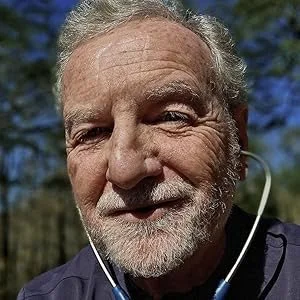
Dr. George Rust is a physician-teacher-scholar-author who has spent his career working at the intersection of race, health, and poverty. He has consistently worked in settings where he could make a difference, from training in Chicago’s urban public hospital to serving farmworkers and the uninsured in a racially fraught, Southern small town to helping build out the historically black Morehouse School of Medicine.
Dr. Rust has a unique perspective on race and privilege. He grew up surrounded by wealth in Boca Raton, Florida but worked as a janitor to attend an elite college prep school. He learned hospital and ER medicine in the organized chaos (the blood and pus and grit) of Cook County Hospital and learned community-based, primary care in the South Lawndale (La Villita) neighborhood clinic.
In Groveland Florida, he cared for poor and uninsured patients living in shotgun houses on dirt roads on the black side of town and in white neighborhoods with paved roads and in clusters of rundown mobile homes at the edge of an orange grove where migrant families lived. He saw needless suffering tied to poverty and uninsurance. And he sensed the dysfunction of a racial history which remained unspoken.
Dr. Rust joined the Morehouse School of Medicine when it was only ten years old, born out of the century-old, historically black Morehouse College. He taught students and residents. He founded the Morehouse Faculty Development program, teaching and mentoring hundreds of physicians over the years. He was also founding director of the National Center for Primary Care.
He is now a tenured Professor at the FSU College of Medicine in Tallahassee, FL, where he also worked as Medical Director for local county health departments. He fought through the politicization of public health through Covid and monkeypox, TB and syphilis. He helped prevent a measles outbreak.
Dr. Rust has received numerous local, state, and national awards for teaching and service.
His book, Healing in a Changing America: Doctoring in a Nation of Needless Suffering, tells the stories of lessons learned, mistakes made, and skills acquired during this journey. Scars and healing. Hope for the future.
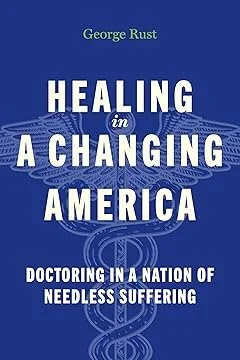
Note: Attendees to the conference will receive a copy of Healing in a Changing America.
Tuesday, May 5
7:30am - 8:30am
Breakfast Buffet at Sydney’s Restaurant (Lobby Level-MUST have meeting name badge)
8:30am - 9:00am
GENERAL SESSION
Conference III, IV, V (Pool Level)
Why Some Clinics Raise WAY More: What Top-Fundraising Clinics Do Differently
A small number of clinics consistently raise far more than their peers. Those organizations tend to share several fundraising habits, priorities, and practices that strengthen donor support over time.
In this session, PRIDE Philanthropy will explore what top-fundraising clinics do differently, with a special focus on individual giving. Attendees will learn the common patterns behind stronger fundraising performance, the areas where many clinics lose momentum, and the practical changes that can help build deeper donor relationships, greater community support, and more sustainable results.
Jake Lyons, CFRE, ACNP, President & CEO, Pride Philanthropy
9:30am - 10:30am
Compassion in Action “For Us”
This session will launch an important conversation on the profound power of compassion — how it not only heals individuals but also strengthens entire communities. At the same time, we will explore how compassion, while essential to our mission, can have both regenerative and depleting effects on those serving within Georgia’s free and charitable clinic sector. As providers of critical medical care, preventive services, and a vital lifeline of hope, we are called to give deeply of ourselves. This session will examine the dual impact of that commitment and offer practical insight into sustaining our work and well-being.
Participants will explore: the positive impact of compassion on patients, providers, and communities; the challenges and risks compassion can pose for caregivers, including fatigue and burnout; and strategies to cultivate compassion resilience and support long-term sustainability Join us for a thoughtful and empowering discussion designed to help you continue serving with purpose—while also caring for yourself and your team.
Melissa McGuire, MSW, Consultant & Trainer
Break
10:30am - 10:45am
10:45am - 11:30am
Roadmap to Health Equity
This session outlines Roadmap to Health Equity, a national initiative supporting free and charitable clinics in measuring and improving the quality and equity of care. The presentation highlights 2025 data findings, demonstrates how disaggregated data can uncover disparities, and shares practical tools and peer-learning support that help clinics turn data into action. The session will also include a comparative review of how Georgia free clinics are performing relative to other Roadmap participants and national benchmarks. The presentation concludes with a brief overview of Mental Health First Aid and opportunities Americares is providing for free adult MHFA certifications.
Binta Ceesay, MPH. PMP, Senior Manager, US Programs, Americares
Reporting from the Gold Dome
Patients, policy, and politics. An update on current legislative activity, state health legislation/policies, the state budget, political landscape, and how free and charity clinics are impacted. Bring your ideas for change!.
Becky Ryles, RCR Capital Consulting LLC & GCCN Lobbyist
11:30am - 12:15pm
Buffet Lunch
Inspiration, Wisdom & Advice from a Long-time Clinic Leader
Jemea Dorsey, CEO, Center for Black Women’s Wellness, Atlanta
Presentation of the 2026 GCCN Champion Award and Volunteer of the Year Award
12:15pm - 1:30pm